5 Expert Tips to Prevent Drilling Failures
Embarking on a drilling project comes with its fair share of challenges, but with the right knowledge and preparation, these hurdles can be easily overcome. In this insightful blog post, we delve into the realm of drilling failures and unveil five expert tips that are guaranteed to revolutionize your drilling operations. From the significance of equipment maintenance to the crucial steps of site inspection, we've got you covered with practical strategies that will enhance your drilling success. Get ready to explore the best practices for mitigating risks, understand the common causes of drilling failures, and discover the transformative power of investing in training and education for your team. Whether you're a seasoned drilling professional or a newcomer to the field, this article promises to equip you with the essential tools and knowledge needed to prevent drilling failures and ensure smooth-sailing operations
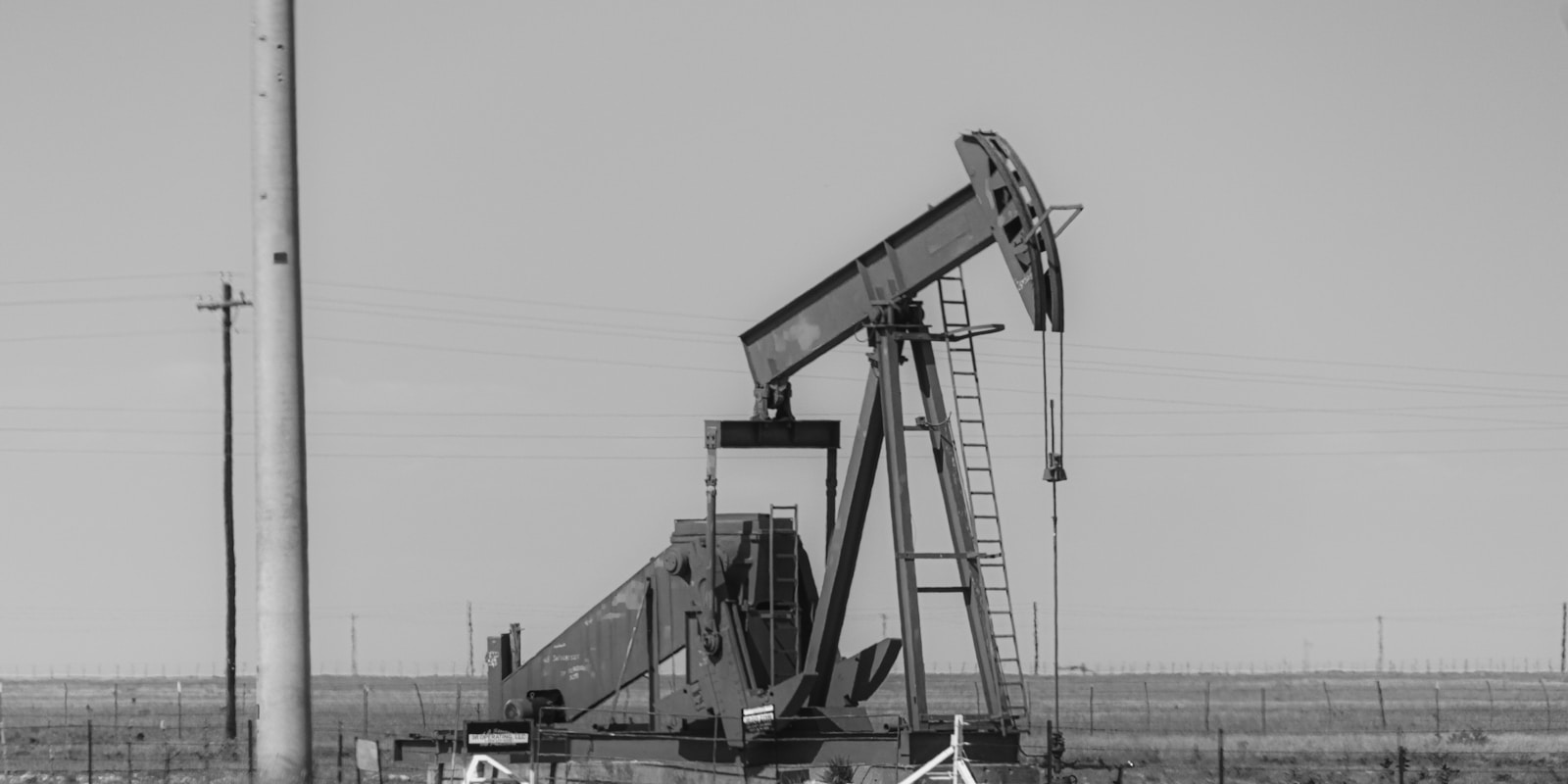
Importance of Proper Equipment Maintenance for Drilling Failure Prevention
Proper equipment maintenance is a critical component when it comes to preventing drilling failures. Neglecting the upkeep of drilling equipment can lead to disastrous consequences, ranging from costly repairs to safety hazards for workers on the site. In this section, we will delve into the importance of regular maintenance practices and provide expert tips to ensure that your drilling operations run smoothly and efficiently. 1. Scheduled Inspections: Regular inspections of drilling equipment are essential to identify any wear and tear, loose components, or signs of potential malfunctions. Implementing a schedule for thorough examinations can help catch any issues early on and prevent them from escalating into major failures down the line. 2. Lubrication and Cleaning: Proper lubrication of moving parts and cleanliness of equipment are key factors in maintaining drilling machinery. Lack of lubrication can cause friction, leading to overheating and premature wear of components. Similarly, debris buildup can interfere with the proper functioning of equipment. Establishing a routine for lubrication and cleaning can significantly extend the lifespan of your drilling tools. 3. Calibration and Alignment: Ensuring that drilling equipment is correctly calibrated and aligned is crucial for precision drilling operations. Misalignment can result in inaccuracies, inefficiencies, and potential damage to the equipment. Regularly calibrating and aligning your machinery will not only enhance performance but also prevent failures due to improper setup. 4. Training and Education: Investing in training programs for personnel operating drilling equipment is a valuable preventive measure. Properly trained operators are more likely to recognize warning signs of equipment issues, operate machinery efficiently, and follow maintenance protocols. Continuous education can empower your team to contribute to the longevity of the equipment and reduce the risk of failures. 5. Documentation and Record-Keeping: Maintaining detailed records of equipment maintenance, inspections, repairs, and replacements is essential for tracking the health of your drilling machinery. Having a comprehensive log enables you to identify patterns, predict potential failures, and schedule preventative maintenance tasks effectively. Implementing a robust documentation system is fundamental for a proactive approach to drilling failure prevention. By following these expert tips and prioritizing the maintenance of your drilling equipment, you can mitigate the risks associated with failures, optimize operational efficiency, and safeguard the well-being of your workforce. Remember, prevention is key when it comes to ensuring a successful and sustainable drilling operation
Key Steps for Effective Pre-Drilling Site Inspection
Inspecting the drilling site thoroughly before starting any drilling operation is crucial to prevent drilling failures. Here are some key steps to take during a pre-drilling site inspection: 1. **Geological Assessment**: Understanding the geological composition of the site is essential to determine potential drilling challenges. Conduct soil tests and analyze rock formations to anticipate any obstacles that could lead to drilling failures. 2. **Environmental Considerations**: Take note of any environmental factors that could impact the drilling process, such as nearby water sources, protected wildlife habitats, or ecologically sensitive areas. Adhering to environmental regulations and guidelines is vital to prevent any mishaps during drilling. 3. **Underground Utilities Check**: Before drilling, it's essential to identify and mark the locations of underground utilities such as pipelines, cables, or sewer lines. Accidentally hitting these utilities can not only disrupt the drilling process but also pose serious safety risks. 4. **Equipment Inspection**: Ensure that all drilling equipment is in optimal condition before starting the operation. Regular maintenance and inspection of drilling rigs, drill bits, and other tools can help prevent equipment failures that may lead to costly downtime or accidents. 5. **Safety Precautions**: Implementing proper safety protocols is non-negotiable when it comes to drilling operations. Conduct thorough safety briefings for all personnel involved, provide necessary personal protective equipment, and have emergency response plans in place to address any unforeseen incidents promptly. By following these key steps during the pre-drilling site inspection, you can significantly reduce the risk of drilling failures and ensure a smooth and successful drilling operation. Remember, investing time and effort in thorough site preparation can save you from costly mistakes and setbacks down the line
Mitigating Risks: Best Practices for Drilling Failure Prevention
Drilling failures can result in costly setbacks, delays, and safety hazards for any drilling project. Therefore, implementing best practices for drilling failure prevention is essential to mitigate risks and ensure successful outcomes. Here are five expert tips to help you avoid drilling failures and maximize the efficiency and effectiveness of your drilling operations: 1. **Thorough Site Assessment**: Before starting any drilling project, conduct a comprehensive site assessment to identify potential risks and challenges. Consider factors such as geology, soil composition, existing infrastructure, and environmental regulations that could impact the drilling process. By thoroughly evaluating the site, you can proactively address potential issues and implement appropriate mitigation measures. 2. **Use Quality Equipment**: Investing in high-quality drilling equipment is crucial for preventing failures. Ensure that your drilling equipment is well-maintained, up-to-date, and suitable for the specific requirements of the project. Regular inspections, maintenance checks, and adherence to manufacturer guidelines can help prevent equipment malfunctions and breakdowns that could lead to drilling failures. 3. **Skilled Personnel and Training**: Employing skilled personnel with the necessary expertise and training in drilling operations is vital for failure prevention. Properly trained personnel are better equipped to identify potential risks, troubleshoot problems, and implement safe and efficient drilling practices. Continuous training and professional development programs can enhance the competencies of your team and minimize the likelihood of drilling failures. 4. **Adherence to Safety Protocols**: Safety should be a top priority in drilling operations to prevent accidents, injuries, and failures. Establish clear safety protocols, guidelines, and emergency procedures that comply with industry standards and regulations. Promote a culture of safety awareness among your team members and ensure that they follow proper safety practices at all times during drilling activities. 5. **Regular Monitoring and Quality Control**: Implementing a system for regular monitoring and quality control can help you detect potential issues early and prevent drilling failures. Monitor key drilling parameters, such as drilling fluid properties, torque, and penetration rates, to identify deviations from expected performance. Conduct quality control checks throughout the drilling process to ensure that operations are meeting the required standards and specifications. By following these expert tips and best practices for drilling failure prevention, you can minimize risks, enhance operational efficiency, and achieve successful outcomes in your drilling projects. Prioritizing site assessment, equipment quality, personnel training, safety protocols, and quality control will enable you to proactively address potential challenges and maintain a high level of performance in your drilling operations
Understanding Common Causes of Drilling Failures
Drilling failures can be costly and time-consuming, leading to project delays and potential safety hazards. By understanding the common causes of drilling failures, you can implement preventive measures to ensure successful drilling operations. Here are 5 expert tips to help you prevent drilling failures: 1. Conduct Proper Site Surveys: Before starting any drilling project, conduct thorough site surveys to identify potential hazards such as underground utilities, rocks, or unstable ground conditions. By understanding the site geology and environmental factors, you can plan the drilling process effectively and avoid unexpected complications. 2. Use High-Quality Equipment: Invest in high-quality drilling equipment that is well-maintained and suited for the specific drilling conditions. Using worn-out or outdated equipment increases the risk of failures such as equipment malfunctions or drill string failures. Regular maintenance and equipment inspections are essential to prevent unexpected breakdowns during drilling operations. 3. Train and Educate Operators: Proper training of drilling operators is crucial for preventing drilling failures. Ensure that operators are well-trained in operating the drilling equipment, following safety protocols, and identifying potential drilling hazards. Continuous education and training programs can enhance operator skills and promote a culture of safety on the drilling site. 4. Monitor Drilling Parameters: Monitoring drilling parameters such as torque, pressure, and drilling fluid properties is essential for detecting early signs of drilling issues. By closely monitoring these parameters during drilling operations, you can identify abnormalities and take corrective actions before they escalate into failures. Implement real-time monitoring systems to track drilling performance and anticipate potential problems. 5. Establish Emergency Response Plans: Despite taking preventive measures, drilling failures can still occur unexpectedly. Establishing emergency response plans that outline procedures for handling drilling failures is essential for minimizing risks and ensuring prompt responses to emergencies. Train all personnel on emergency protocols and have necessary contingency measures in place to mitigate the impact of drilling failures. By implementing these expert tips and incorporating them into your drilling practices, you can significantly reduce the likelihood of drilling failures and ensure successful drilling operations. Understanding the common causes of drilling failures is the first step towards effective prevention and risk mitigation in drilling projects
Investing in Skills for Successful Drilling Operations
Drilling operations are complex processes that require a high level of skill and precision to ensure success. Investing in skills is crucial to prevent drilling failures and achieve successful outcomes. Here are five expert tips to help you prevent drilling failures: 1. Conduct Proper Training Programs: To ensure successful drilling operations, invest in comprehensive training programs for your drilling team. Proper training equips them with the knowledge and skills necessary to operate drilling equipment effectively and safely. Regular training sessions and workshops can help sharpen their skills and keep them updated on the latest drilling techniques and technologies. 2. Emphasize Safety Protocols: Safety should always be a top priority in drilling operations. Investing in safety training and reinforcing safety protocols can prevent accidents and potential drilling failures. Make sure your team is well-versed in safety procedures, including how to handle emergencies and mitigate risks on the drilling site. 3. Implement Regular Maintenance: Regular maintenance of drilling equipment is essential to prevent failures due to mechanical issues. Investing in a proactive maintenance schedule can help identify and address potential problems before they escalate. This includes inspecting equipment, replacing worn-out parts, and ensuring all components are in optimal working condition. 4. Monitor Drilling Performance: Invest in monitoring systems that track drilling performance in real-time. By closely monitoring key metrics such as drilling speed, torque, and pressure, you can detect any deviations from the expected parameters early on. This proactive approach allows you to make necessary adjustments to prevent failures and optimize drilling efficiency. 5. Foster Communication and Collaboration: Invest in building a culture of open communication and collaboration within your drilling team. Encourage team members to share insights, observations, and concerns openly to address potential issues before they lead to failures. Effective communication ensures that everyone is on the same page and working towards a common goal of successful drilling operations. By investing in skills and following these expert tips, you can prevent drilling failures and set the stage for successful drilling operations. Remember, a well-trained and prepared team, coupled with a commitment to safety and maintenance, is key to achieving optimal results in drilling projects
Conclusion
In conclusion, preventing drilling failures is a critical aspect of ensuring successful drilling operations. By implementing the expert tips shared in this blog post, including equipment maintenance, thorough site inspection, risk mitigation strategies, and investing in team training and education, you can significantly reduce the likelihood of encountering drilling failures. Understanding the common causes of drilling failures and taking proactive measures to address them will revolutionize your drilling practices and pave the way for smoother operations. Stay proactive, stay informed, and remember that preparation is key when it comes to achieving drilling success